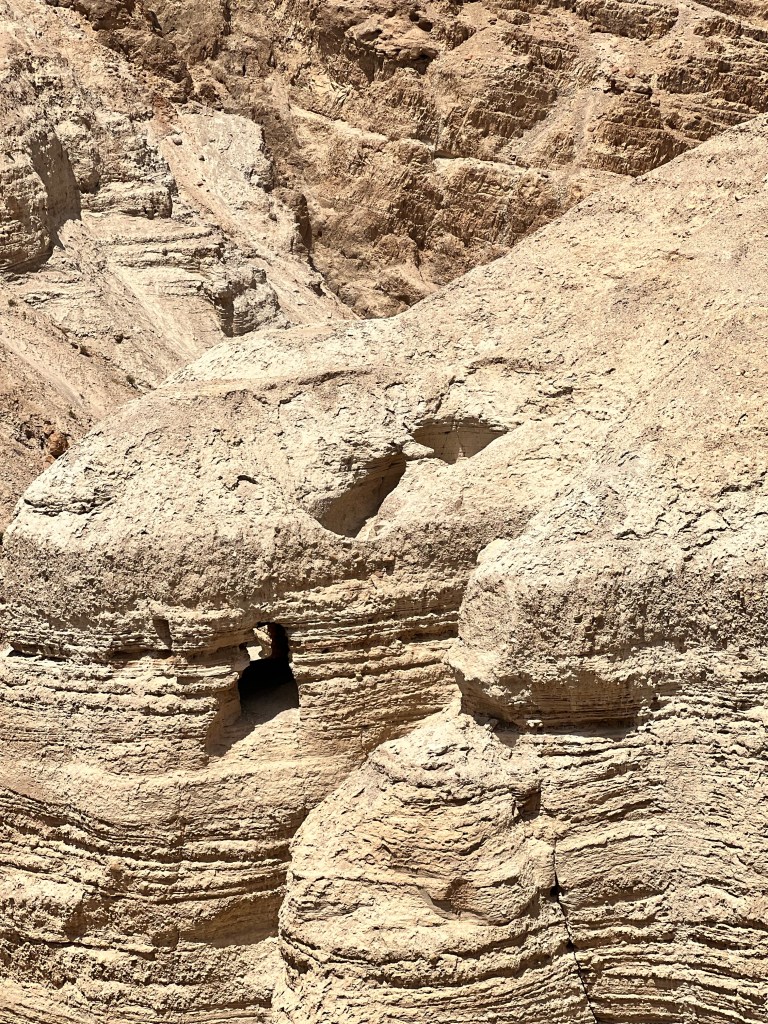
After our visit to Masada, we headed to the Qumran Caves where the Dead Sea Scrolls were found.
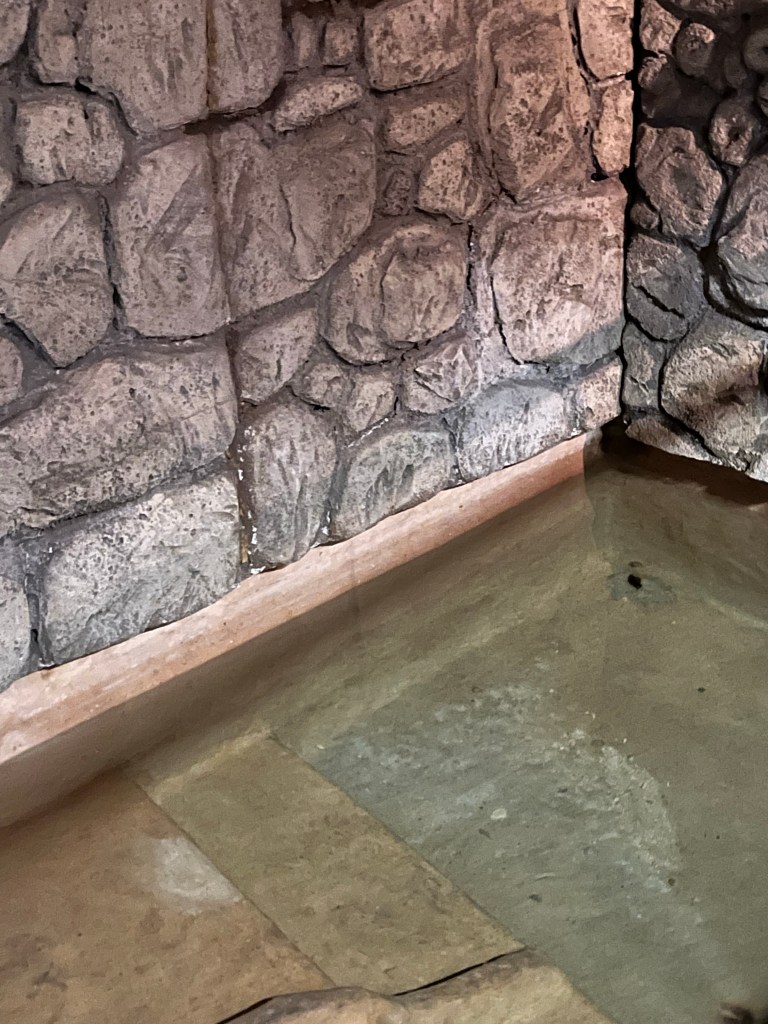
Qumran was established during the Hellenistic Period c.134-104BC and remained inhabited up until c.68BC. The Essenes Jewish sect lived here in isolation as a communal monastery-like community without owning any personal property. The sect is thought to have eaten communal meals, studied sacred scriptures for most of the night, taken a daily ritual bath, practice celibacy and they had their own calendar. From information found in the Dead Sea Scrolls scholars have managed to get a clear picture of the community’s way of life and beliefs. It is thought that about 200 people once lived here. In later periods of history there were Arab settlements here and during the Bar Kokhba Revolution the rebels may have taken refuge here.
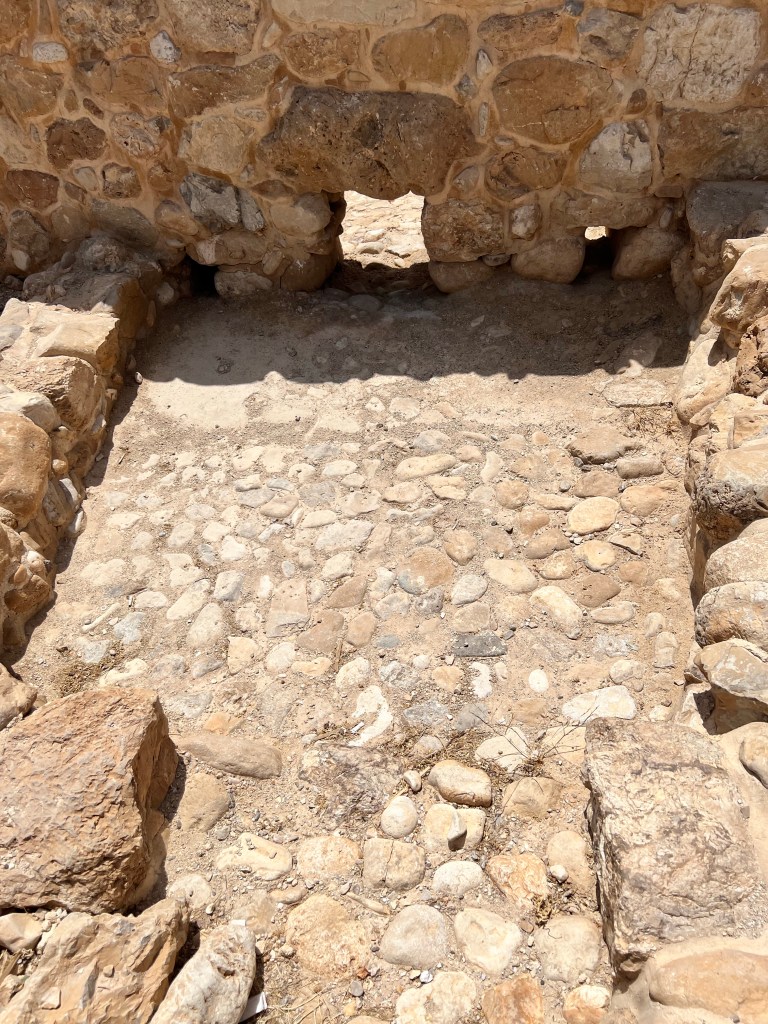
They slept all in one room on a mat, which during the summer season must have been excruciatingly hot.
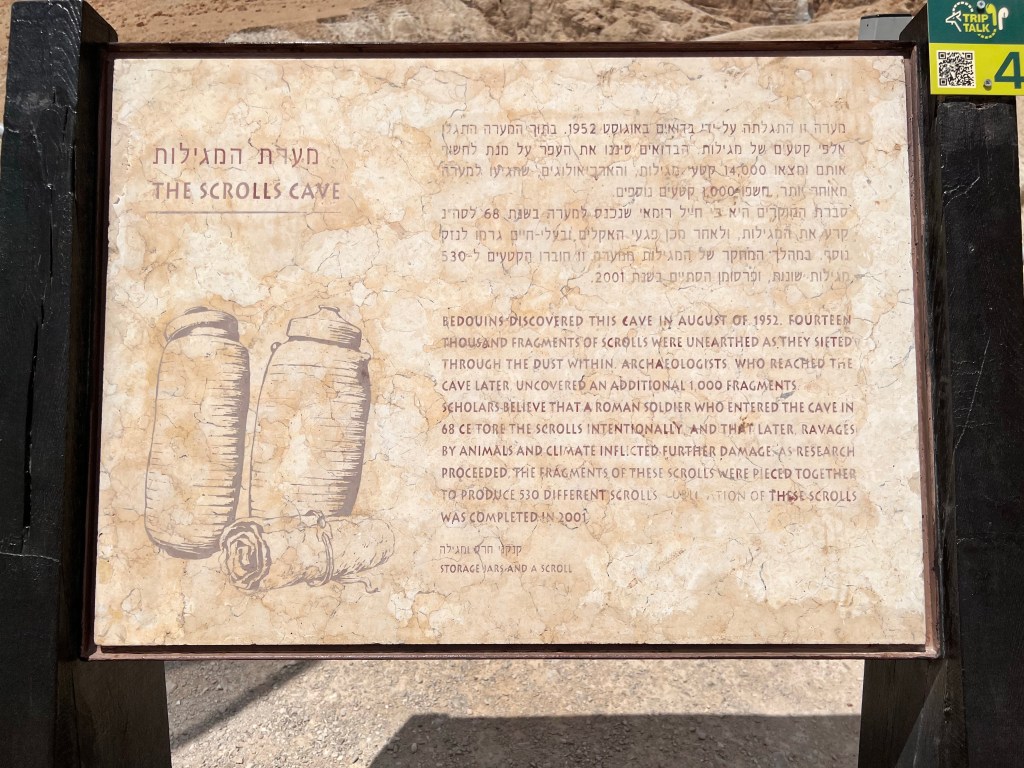
The Dead Sea Scrolls were found by a Bedouin shepherd who sold them for approximately $3. Many of the scrolls were torn in pieces and sold piece by piece. Today they are worth hundreds of thousands.
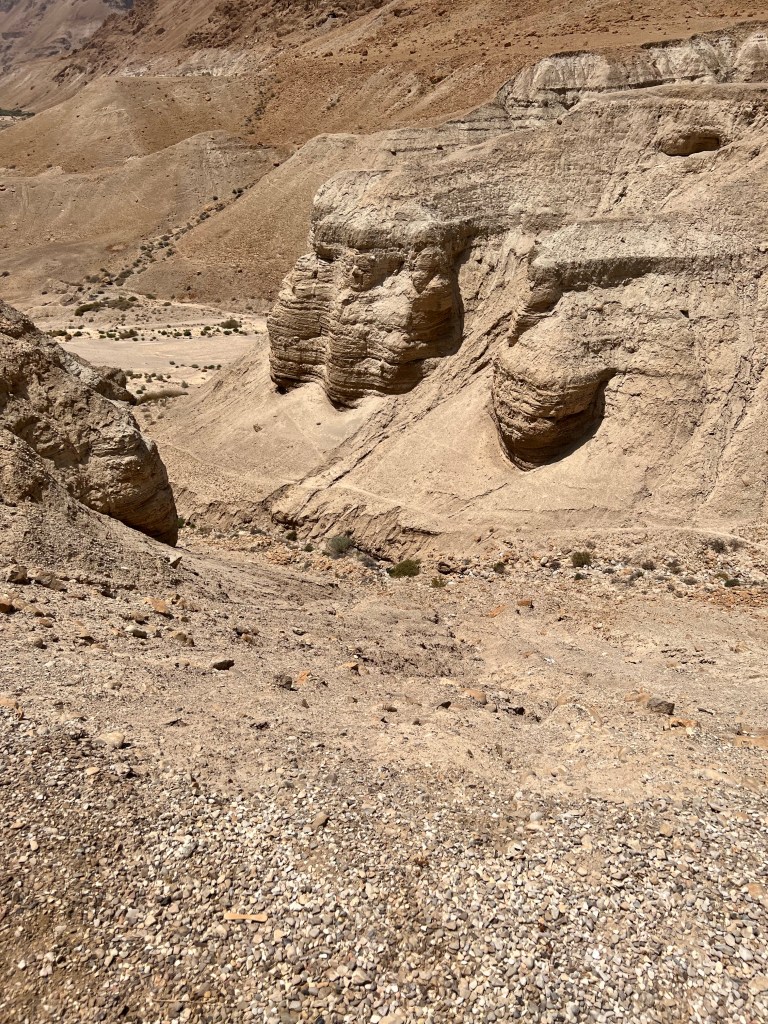
This area is steeped in history; and the Dead Sea Scrolls that have been translated correlate with the Bible.
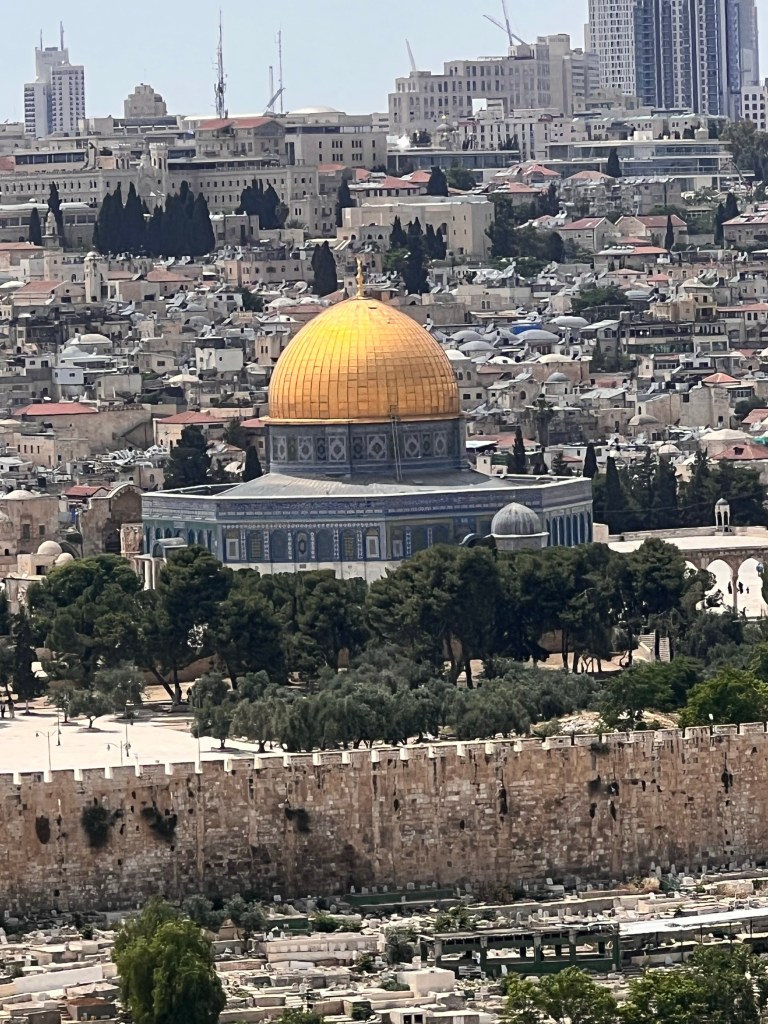
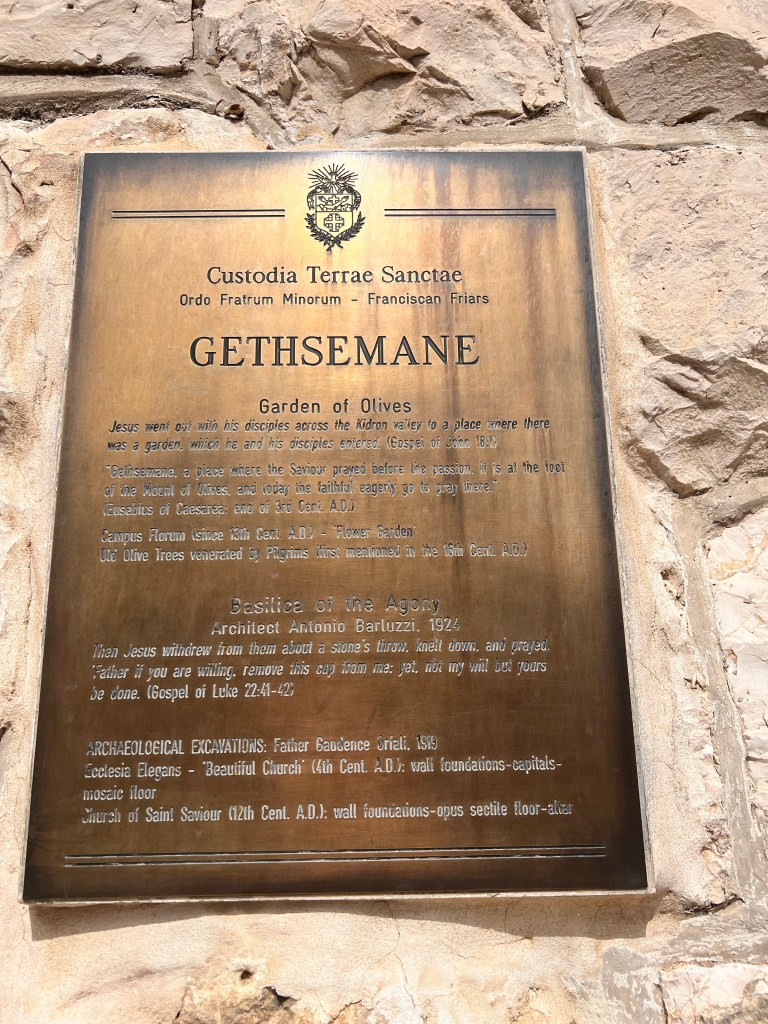
Our next stop was to head to Jerusalem to the Garden of Gethsemane, at the base of Mt. Olive. We stopped at the top of the Mount.

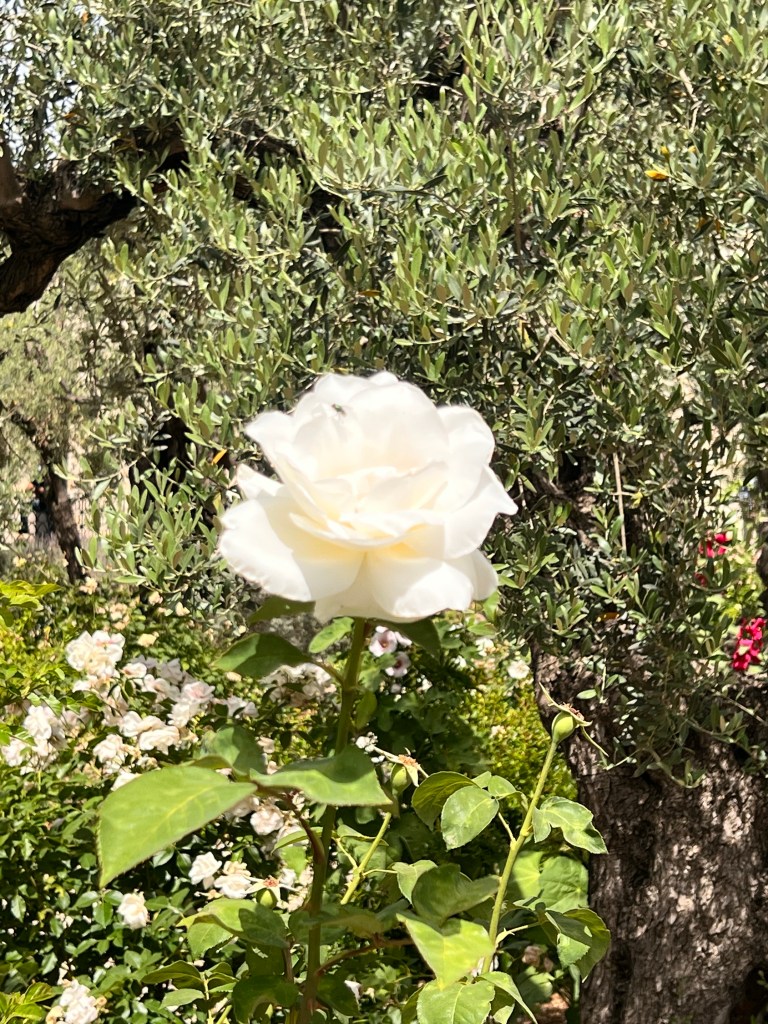
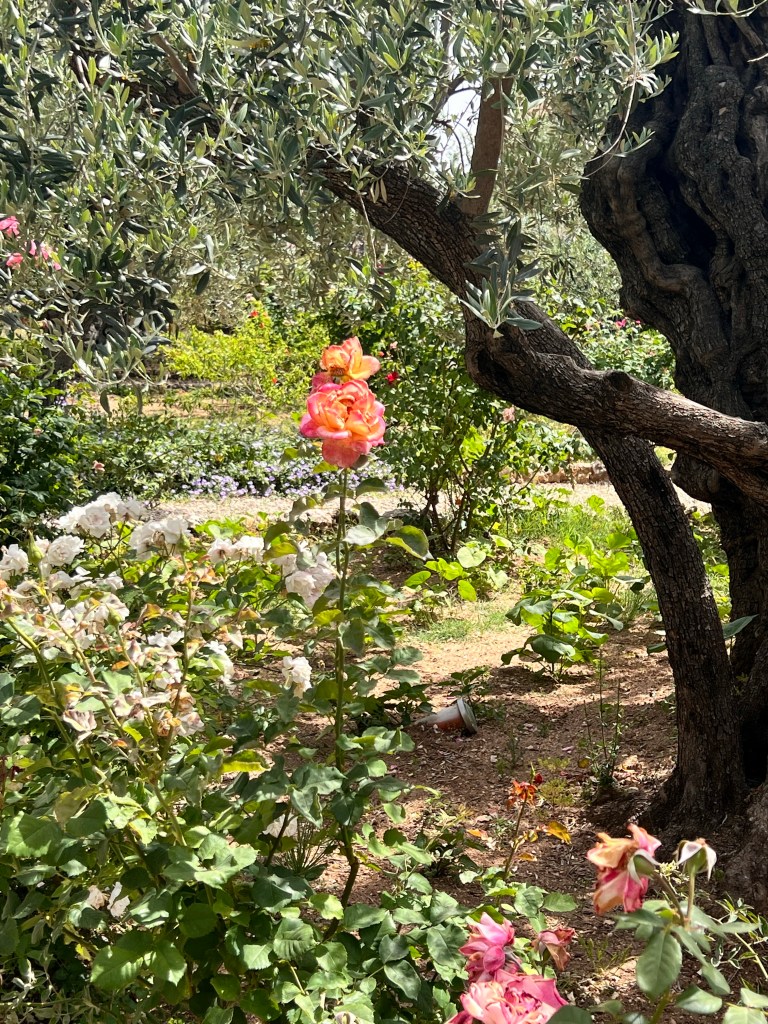
According to our guide, the Garden of Gethsemane where Jesus was arrested, was not a garden but a farm. Today it is a lovely garden.

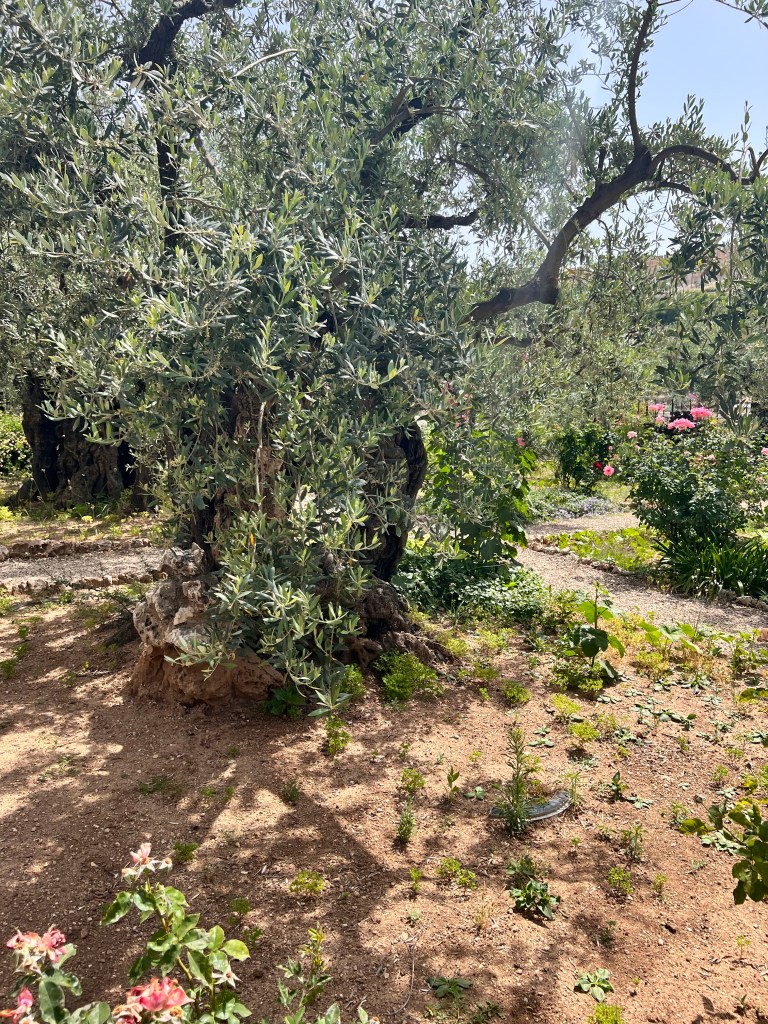
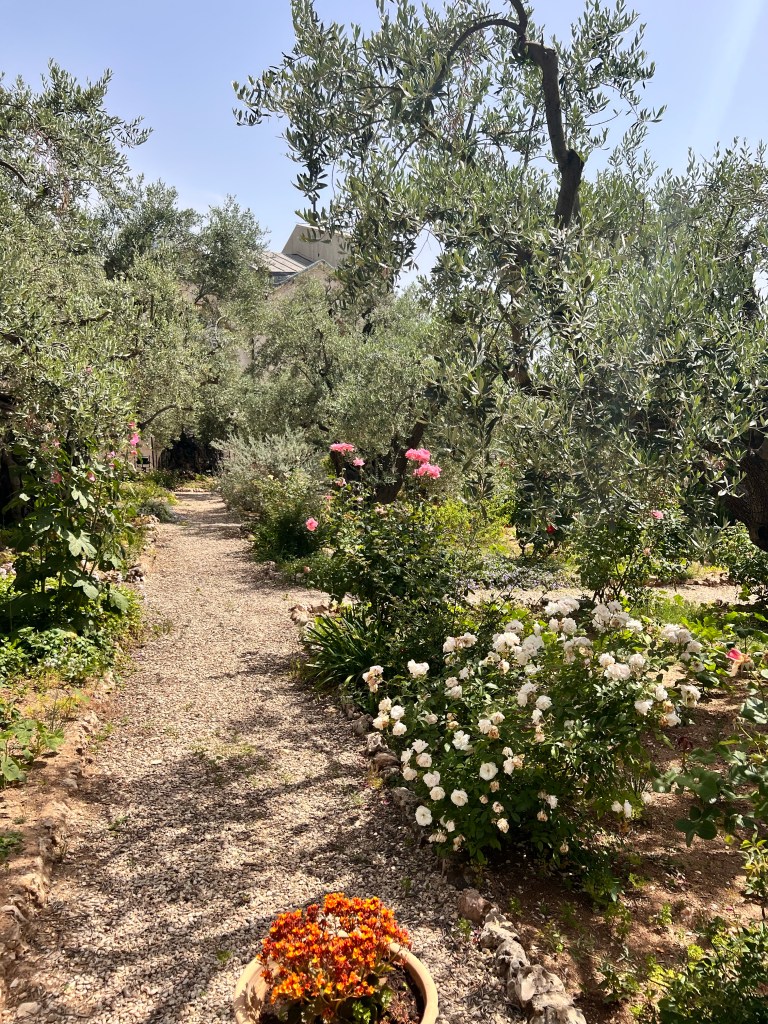
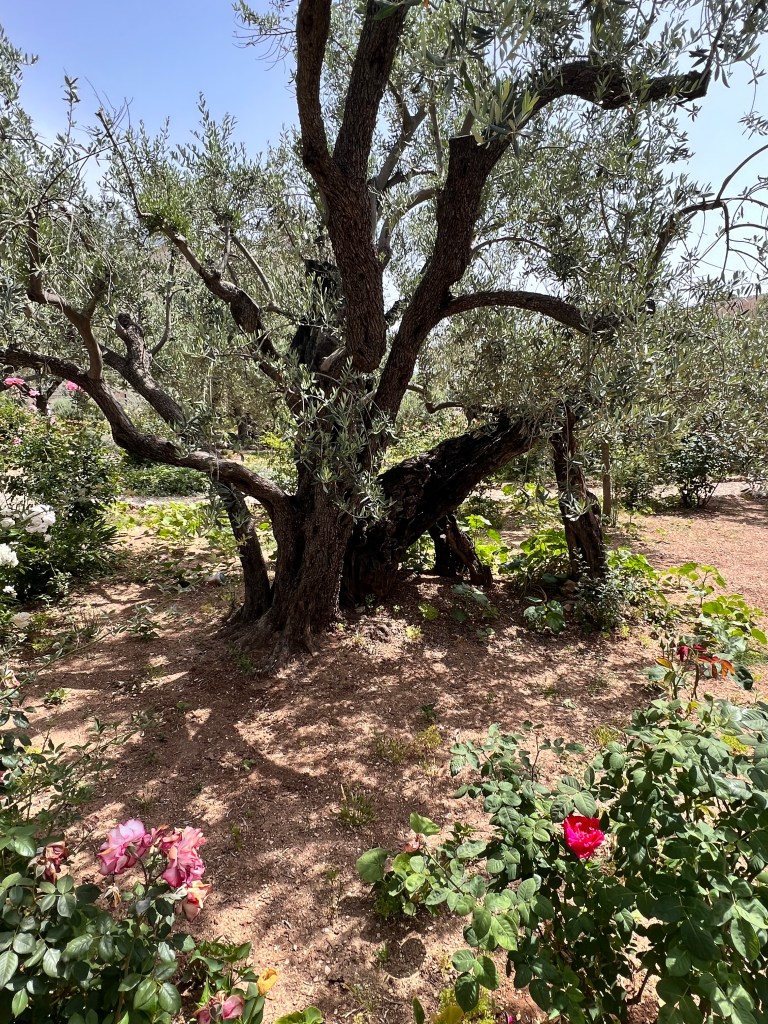

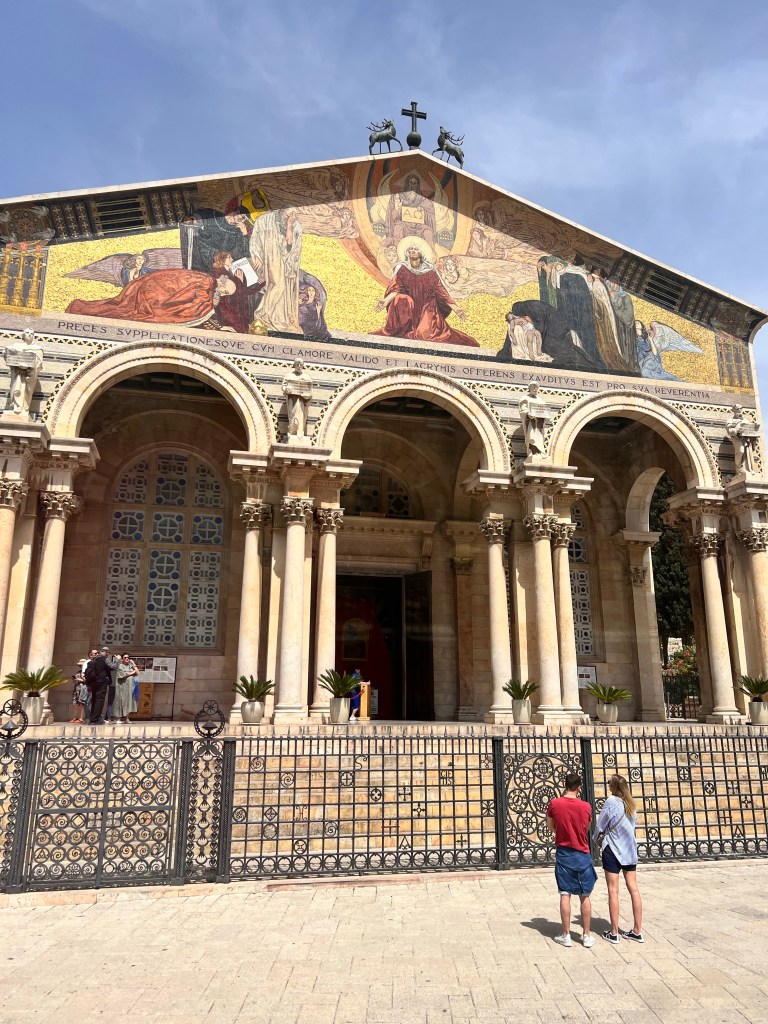
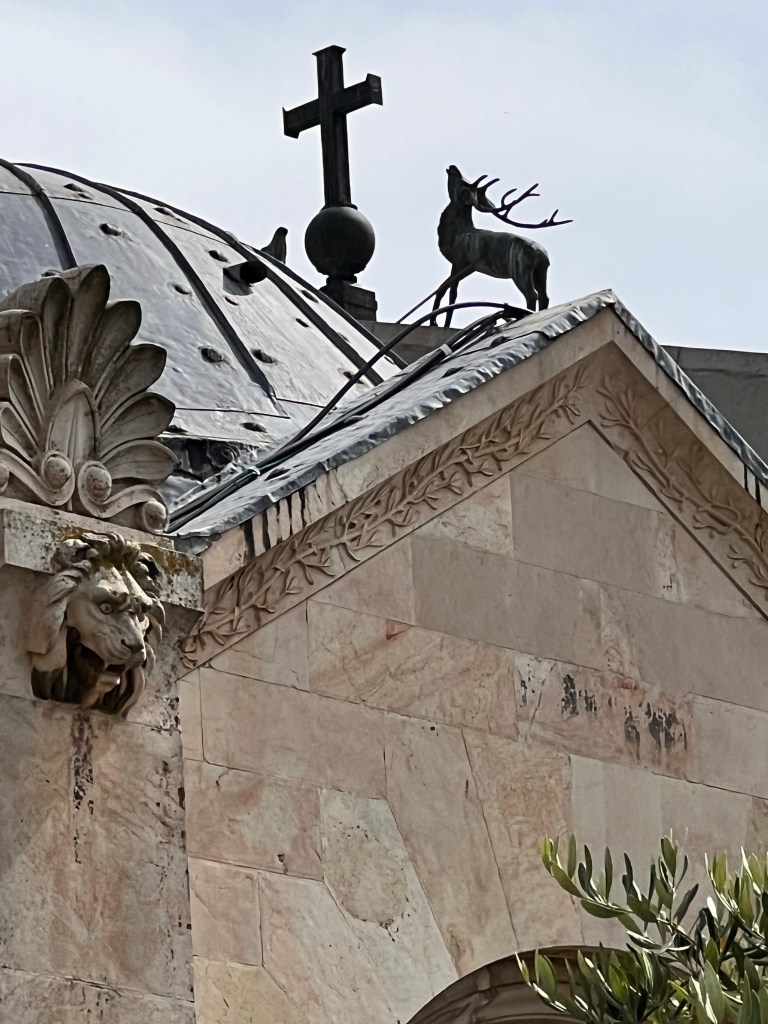
The Church of All Nations which stands next to the gardens was built supposedly over the rock where Jesus prayed the night before he was crucified.
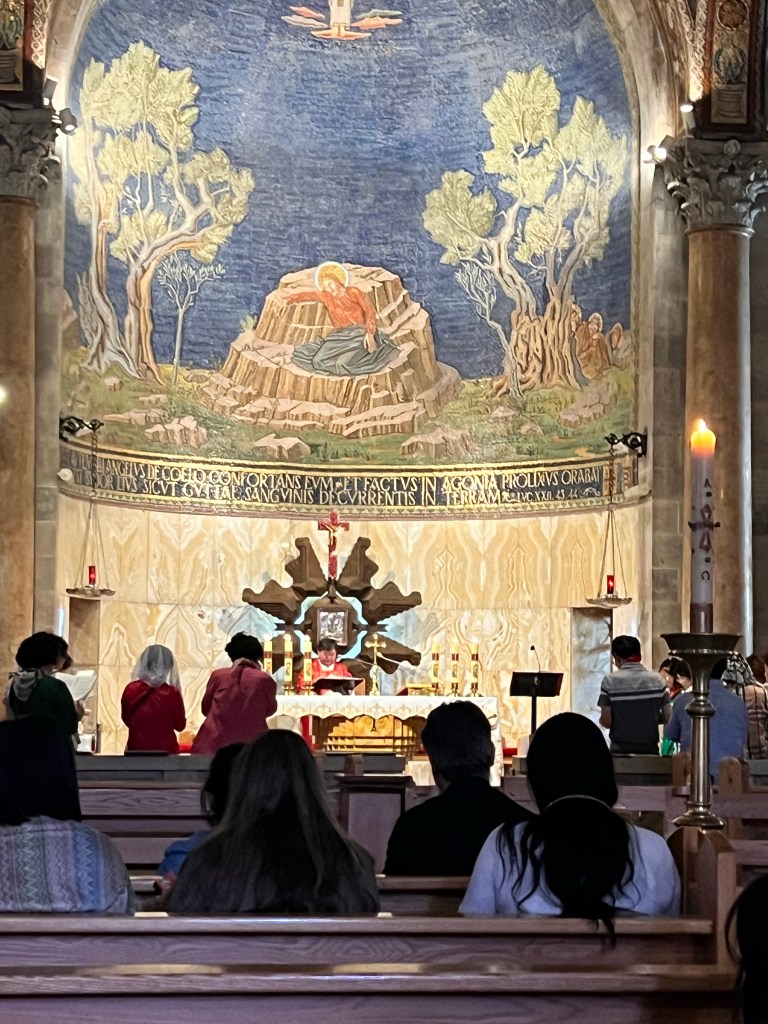
It was a very busy day and we learned a lot about the life and times of Jesus.
#deadseascrolls#qumancaves#jerusalem#israel#christian#gardenofgethsemanee#churchofallnations
 thefouramigosblog